


Kupia
Foliage
View & Listen Plant Education
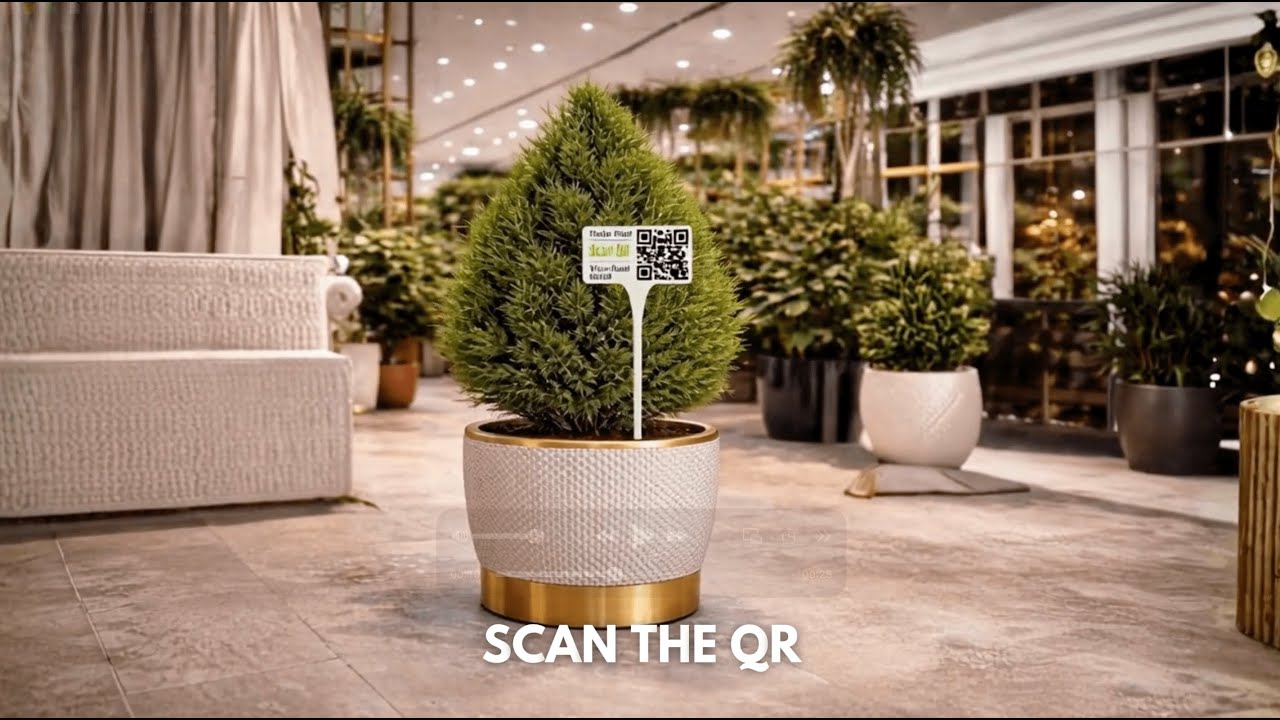
Kupia - Video Guide
Watch Video
All Details
I am an aromatic, woody shrub known for my small, fragrant white flowers and glossy, dark green leaves. Native to Asia, I am valued not only for my pleasant, calming scent but also for my use in traditional rituals, natural remedies, and as a fragrant ornamental in gardens and homes. My tiny blossoms cluster beautifully and release their fragrance most strongly in the evenings.
I am an aromatic, woody shrub known for my small, fragrant white flowers and glossy, dark green leaves. Native to Asia, I am valued not only for my pleasant, calming scent but also for my use in traditional rituals, natural remedies, and as a fragrant ornamental in gardens and homes. My tiny blossoms cluster beautifully and release their fragrance most strongly in the evenings.
Native to Southeast Asia, including regions of India, Thailand, and the Philippines. I am often found in tropical and subtropical climates and have been cultivated for centuries for use in cultural ceremonies, perfumery, and traditional healing practices.
I prefer moderate and consistent watering. Keep the soil evenly moist but not soggy. Allow the top layer of soil to dry slightly between waterings. Reduce watering in cooler months to prevent root rot.
I thrive in bright, indirect light or partial shade. I can tolerate morning sun but need protection from harsh afternoon rays, which can scorch my leaves. I do well in dappled sunlight, similar to my natural understory habitat.
I enjoy warm, stable temperatures between 20°C to 32°C. I am sensitive to cold and should be protected from temperatures below 15°C. I thrive in humid conditions and can struggle in very dry air.
Plant me in rich, well-draining soil with plenty of organic matter. I can be grown in pots or directly in the ground with adequate spacing for air circulation. Mulching helps retain moisture and keeps roots cool.
Feed me during the growing season with a balanced liquid fertilizer every 4–6 weeks. Avoid heavy nitrogen-based fertilizers, which may encourage leaf growth over flowering. Organic compost or manure can also be applied in spring.
Botanical name: Murraya paniculata (often referred to as Orange Jasmine or Mock Orange) – “Kupia” is a regional name used in certain areas. Family: Rutaceae. My flowers are fragrant, and my red berries are ornamental but not edible. I am related to citrus plants.
Generally non-toxic to cats and dogs, though ingestion of large amounts of leaves or berries may cause mild stomach upset. It's best to place me where pets cannot chew on me regularly.
Moderate. I help improve indoor air quality by absorbing pollutants and releasing oxygen. My natural fragrance also helps create a fresh and soothing indoor atmosphere.
I am grown for my delightful fragrance and ornamental appeal. I attract pollinators such as bees and butterflies. In some traditions, my leaves and flowers are used in garlands, religious offerings, and natural remedies for relaxation.
May attract aphids, scale insects, or whiteflies. Overwatering can lead to root rot or fungal issues. Yellow leaves can indicate nutrient deficiency, poor drainage, or insufficient light.
With proper care, I can live for 10–15 years or longer. I am an evergreen perennial shrub that can bloom several times a year, especially in warm and humid conditions.
Everyday 8:30AM to 6:30PM

Akola, Road, Badnera, Amravati, Maharashtra 444701